Lab-Grown vs. Natural Diamonds: What’s Actually Different?
Lab-grown diamonds are one of the biggest shifts in fine jewelry in a generation — and also one of the most misunderstood. So let’s clear it up, plainly.
The single most important thing to know: a lab-grown diamond is a diamond. Not a copy, not an imitation, not “fake.” It’s the same material, all the way down to the atom.
They’re real diamonds — full stop
A lab-grown diamond is pure crystallized carbon with the exact same chemical, physical and optical properties as a mined one. It has the same hardness, the same brilliance, the same fire. This is completely different from a simulant like cubic zirconia or moissanite, which only look like diamond but are entirely different materials.
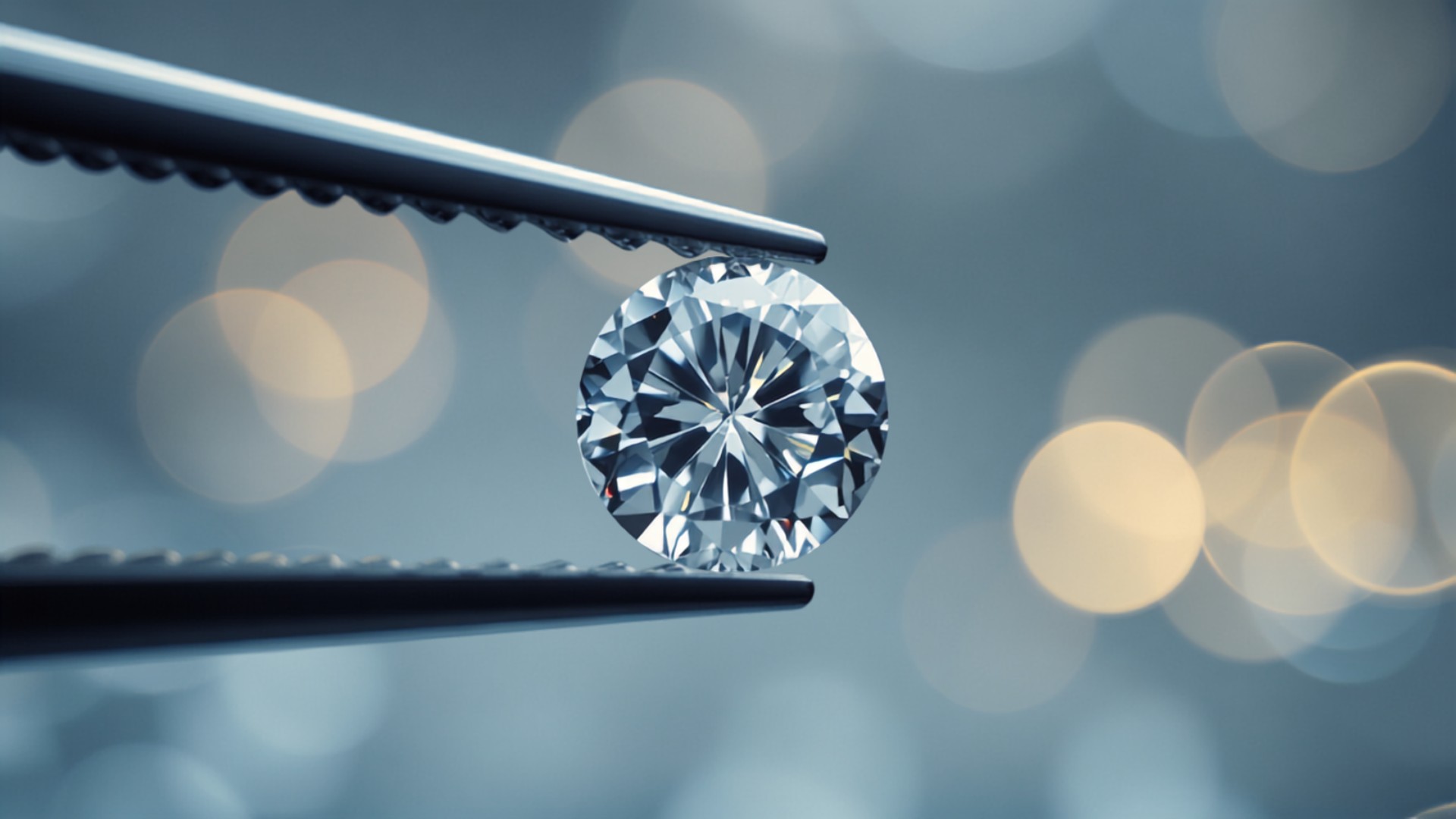
Put a lab-grown and a mined diamond of the same grades side by side and you could not tell them apart — because there is nothing to tell apart but their origin.
How they’re made
There are two methods, and both recreate the conditions that form diamonds in nature. HPHT (High Pressure, High Temperature) mimics the heat and pressure deep in the earth. CVD (Chemical Vapor Deposition) grows a diamond layer by layer from a carbon-rich gas. Either way, a crystal that took the earth a billion years to make is grown in a matter of weeks.
Can anyone tell the difference?
Not with the naked eye. Not with a jeweler’s loupe. Not even most gemologists, by sight alone. Distinguishing a lab-grown diamond requires specialized laboratory equipment that reads subtle growth patterns. That’s why reputable lab-grown stones are independently certified and usually laser-inscribed with a report number on the girdle, so origin is always documented.
So what actually is different?
Price
This is the headline. A lab-grown diamond typically costs significantly less than a mined diamond of the same size and quality. The same budget often buys a noticeably larger or higher-graded stone — or leaves room for a setting you love.
Origin & footprint
Lab-grown diamonds skip mining entirely, which means no land disturbance and a smaller, more controllable environmental footprint. For many buyers, knowing precisely where a stone came from is part of the appeal.
Traceability
A created diamond has a clear, documented origin from day one — no ambiguity about its journey.
Which should you choose?
There’s no wrong answer — both are genuine diamonds, and the choice is personal. Some people love the romance and rarity of a stone formed in the earth. Others love that lab-grown lets them size up, choose a cleaner grade, or simply spend their money where it shows. If value and origin matter to you, lab-grown is hard to beat — same sparkle, same certificate, gentler on both budget and planet.
Lab-Grown Diamond FAQ
Yes — lab-grown diamonds are 100% real diamonds. They are pure crystallized carbon with the same hardness (10 on the Mohs scale), the same brilliance, and the same chemical structure as mined diamonds. The FTC officially classifies them as diamonds, and they are graded by the same independent laboratories (IGI, GIA) on the same 4Cs scale. The only difference is origin: one formed underground over a billion years, the other was grown from a carbon seed in a matter of weeks.
Yes — a lab-grown diamond passes a standard diamond tester, because it is a diamond. Thermal and electrical testers measure the physical properties of the stone, and lab-grown diamonds share those properties exactly. Only advanced spectroscopy equipment in a gem lab can distinguish growth origin. Simulants like cubic zirconia or moissanite are what testers are designed to catch — lab-grown diamonds are not simulants.
Typically 60–85% less for the same carat weight and grade. A 1-carat lab-grown diamond with strong color and clarity grades generally costs a few hundred to around a thousand dollars, versus several thousand for a comparable mined stone. In practice this means the same budget buys a noticeably larger or higher-grade stone — and the smartest place to spend the difference is cut quality, which is what makes a diamond sparkle.
No — a lab-grown diamond never fades, clouds, or wears out. It is as hard and as chemically stable as a mined diamond, which is why both carry the same lifetime durability. If a lab-grown diamond ever looks dull, it is surface buildup from lotions and soap — a two-minute clean with warm water and dish soap restores full brilliance.
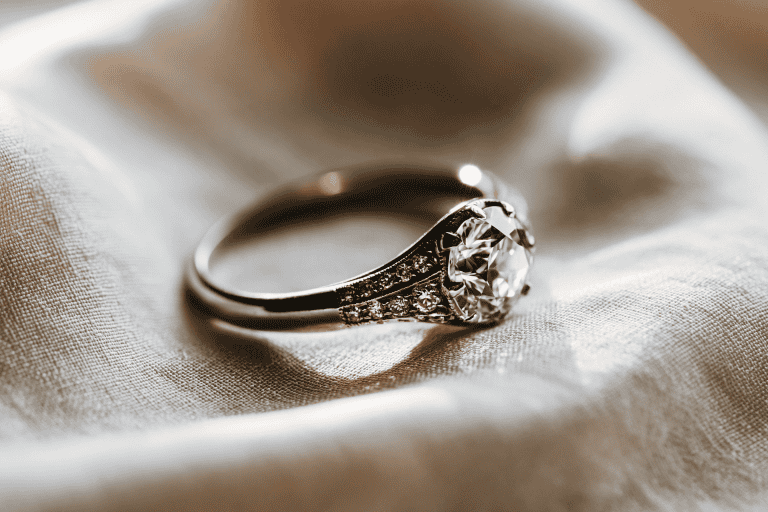
Lab-grown diamonds are fully mainstream — they now account for roughly half of new engagement ring purchases in the US. Younger buyers in particular choose them for value, traceable origin, and the freedom to size up. Set side by side, no one — including a jeweler using standard tools — can tell a lab-grown ring from a mined one.