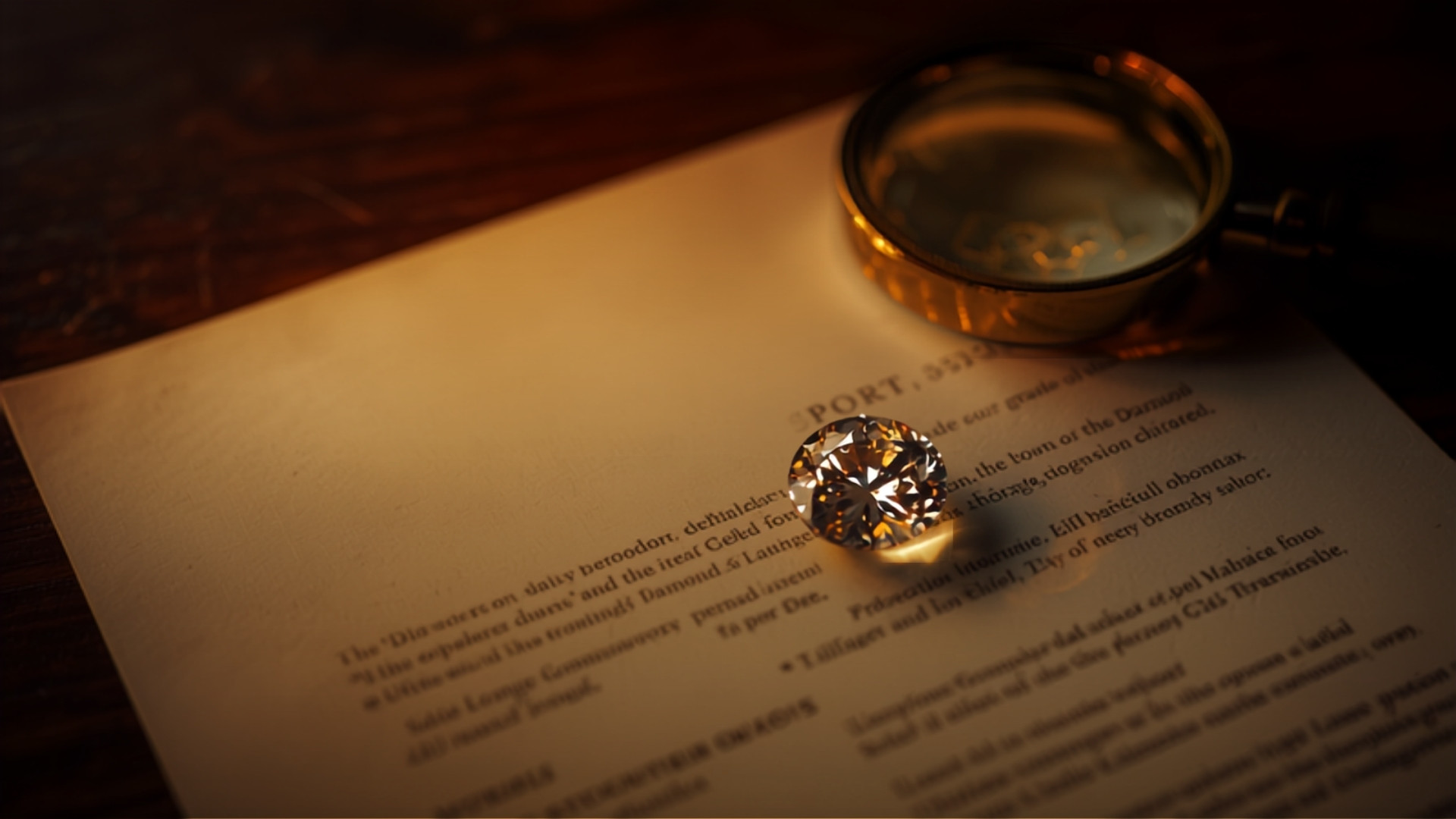
How to Read a Diamond Certificate
A diamond certificate is the single most useful piece of paper in the whole purchase. It’s an independent, objective description of exactly what you’re buying — and once you know how to read it, you’ll never feel lost in a jewelry store again.
What a certificate actually is
A diamond certificate (also called a grading report) is issued by an independent gemological laboratory after experts examine the stone. It documents the 4Cs and the diamond’s precise measurements. Importantly, it is not an appraisal — it describes quality, not dollar value. That’s a good thing: it’s neutral.
Trust the lab first
The report is only as credible as the lab behind it. The two most respected names are GIA (Gemological Institute of America) and IGI (International Gemological Institute), the latter especially common for lab-grown diamonds. Be cautious of vague “in-house certificates” from the same store that’s selling you the stone — that’s not independent.
What to check, line by line
- Report number: Every report has a unique number you can verify on the lab’s official website. Always do this — it confirms the document is real and matches the stone.
- The 4Cs: Cut, color, clarity and carat, so you know exactly what you’re paying for.
- Measurements & proportions: The cut grade and proportions tell you how well the diamond will sparkle — the part that brings it to life.
- Origin statement: A lab-grown stone’s report will clearly state “Laboratory-Grown”. This is normal and expected — it’s documentation, not a downgrade.
- Laser inscription: Many diamonds are inscribed with their report number on the girdle. Matching the inscription to the report links that exact stone to that exact certificate.
What you can safely ignore
Don’t be swayed by a thick, glossy presentation folder or an inflated “appraisal value” — those are marketing, not grading. The numbers that matter are the 4Cs, the verifiable report number, and the name of the lab. Get those right and you’ve bought well.