The Pearl: When the Sea Outshone the Diamond
For most of history, the most precious jewel on earth was not mined — it was fished. A single flawless pearl could outvalue a diamond, an emperor passed a law to keep them for himself, and then one determined man learned to grow them — and changed everything.
Luck, pulled from the sea
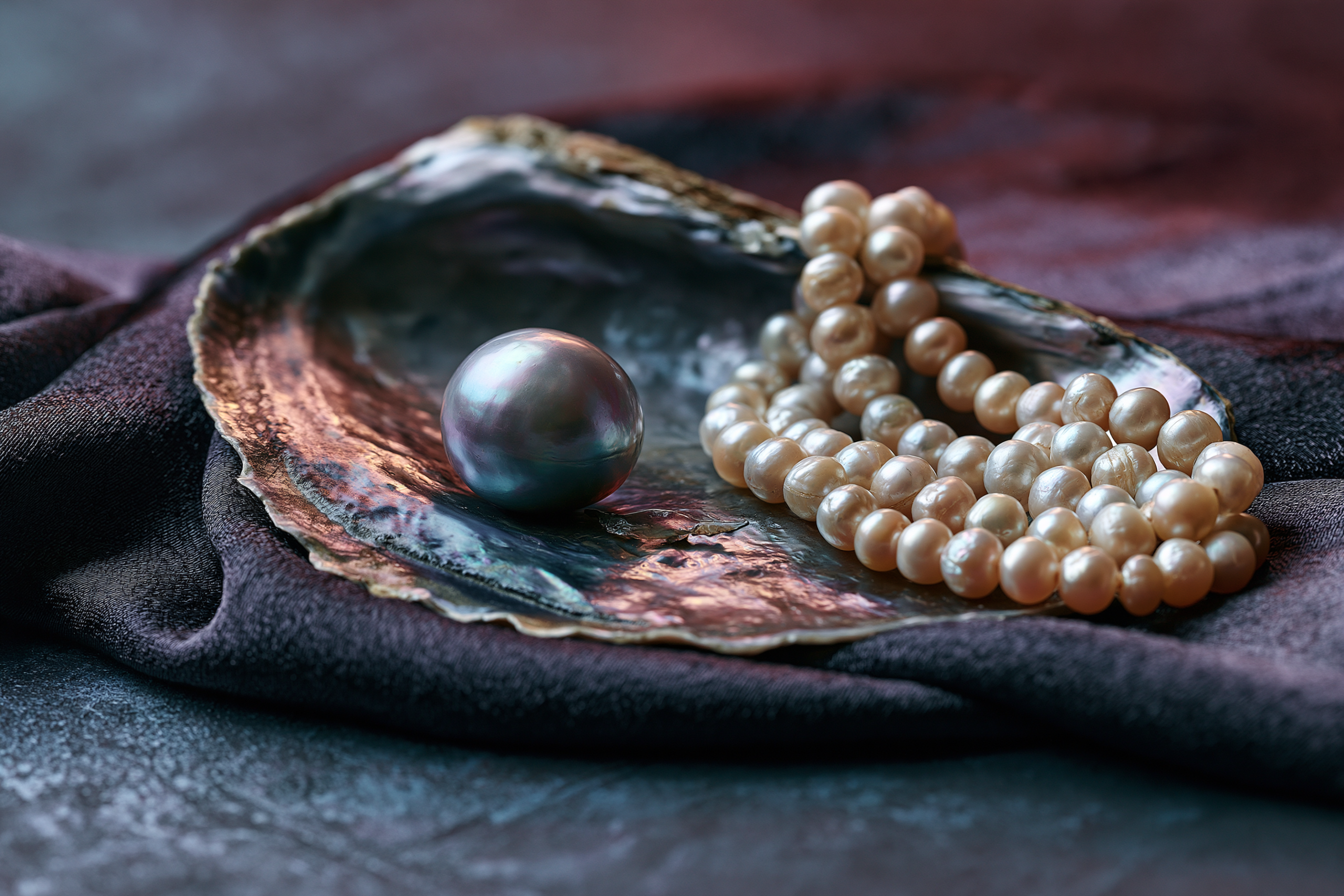
A natural pearl is an accident of nature. Only about one oyster in ten thousand ever produces one, and for centuries the only way to find them was to dive, again and again, holding your breath in deep water. That impossible rarity is what made the pearl, for most of recorded history, the ultimate luxury — rarer and dearer than any cut stone.
A law to keep them
Rome understood exactly what pearls signalled. In the first century BC, Julius Caesar is said to have passed a law restricting the wearing of pearls to the ruling class. To wear one was not merely to be rich — it was to announce, by law, that you belonged to the very top.
The Wanderer
No pearl tells the story better than La Peregrina — “the Wanderer.” Found in the Gulf of Panama in the sixteenth century, it passed through the hands of Mary I of England, the Spanish crown, and Napoleon’s family, before Richard Burton bought it for Elizabeth Taylor in 1969 for $37,000. When it was sold again in 2011, it fetched $11.8 million — a single pearl, worth a fortune, five centuries on.
The man who grew a miracle
Everything changed in 1893, when a Japanese entrepreneur named Kokichi Mikimoto coaxed an oyster into making a pearl on purpose, seeding it by hand. His cultured pearls were, atom for atom, real pearls — yet for years he had to fight accusations that they were somehow fake. As his farms multiplied, the price of natural pearls collapsed, and the cultured pearl became simply the pearl.
If that story sounds familiar, it should. A precious gem, once a symbol of unreachable rarity; a clever way to grow the very same thing; and a long argument about whether the grown version is “real.” The pearl settled that argument a century ago. The lab-grown diamond is simply the next chapter of it — and, we think, an even better one.
Sources: The Jewellery Editor, on the history of pearls and La Peregrina; Mikimoto and Pure Pearls, on Kokichi Mikimoto and the first cultured pearl (1893); general references on Roman sumptuary law and pearl rarity.
A familiar echo: the sea once grew pearls, and today light grows diamonds. Or meet the Big Three gems.